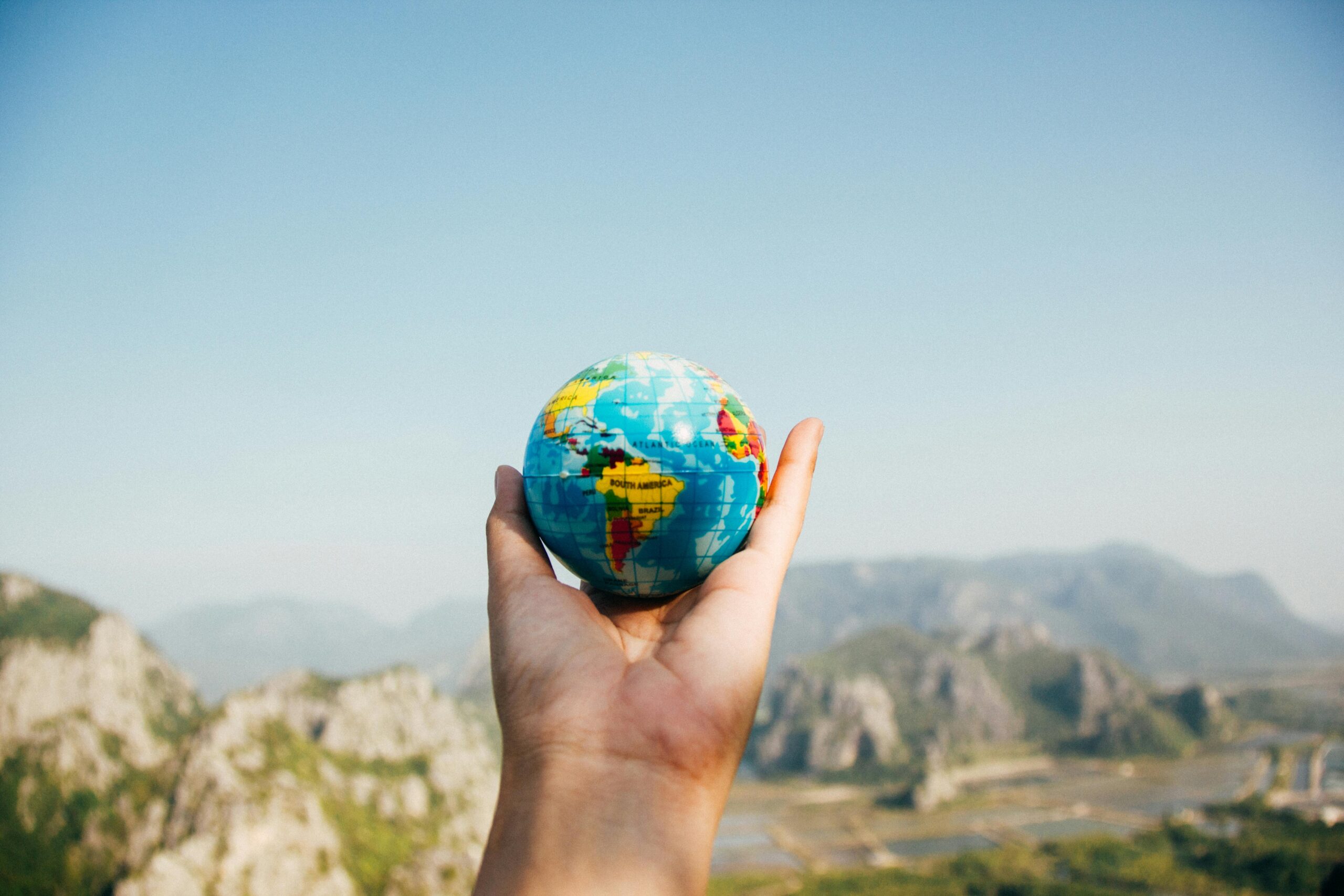
In an era defined by rapid technological change, shifting political alliances, and interconnected markets, understanding how the modern world functions has never been more important. From supply chains stretching across continents to financial systems that operate around the clock, today’s global economy influences nearly every aspect of daily life.
Whether you are an investor, business leader, policymaker, or informed citizen, having a clear view of global trends helps you anticipate risks, identify opportunities, and make better long-term decisions. This article explores the key forces shaping the modern world economy and explains why global awareness is essential for sustainable growth and stability.
The Rise of Global Interdependence
Over the past several decades, nations have become increasingly interconnected. Trade agreements, digital communication, and multinational corporations have blurred traditional borders, creating a tightly woven global network.
Trade and Supply Chains
Modern products rarely come from a single country. A smartphone, for example, may be designed in one nation, assembled in another, and contain components sourced from multiple regions. This complex web of suppliers enables efficiency and specialization, but it also creates vulnerability.
When disruptions occur—whether due to natural disasters, political conflicts, or pandemics—entire industries can feel the impact. Recent global events have highlighted the importance of resilient and diversified supply chains.
Capital and Investment Flows
Globalization has also transformed finance. Capital moves rapidly across borders in search of growth and stability. International investment fuels infrastructure, innovation, and development, particularly in emerging economies.
However, this interconnectedness means that financial instability in one region can quickly spread. Currency fluctuations, interest rate changes, and banking crises often have global consequences.
Technology as a Global Catalyst
Few forces have reshaped the world more profoundly than technology. Digital transformation has accelerated economic growth, expanded access to information, and created entirely new industries.
The Digital Economy
E-commerce, cloud computing, and digital payments have connected consumers and businesses worldwide. A small company can now sell products globally with minimal infrastructure, while freelancers collaborate across time zones.
This digital economy promotes entrepreneurship and efficiency, but it also raises questions about data security, privacy, and market concentration.
Automation and Artificial Intelligence
Automation and artificial intelligence (AI) are redefining productivity. Manufacturing, logistics, healthcare, and finance increasingly rely on intelligent systems to optimize operations.
While these technologies boost output and reduce costs, they also reshape labor markets. Governments and businesses must invest in education and retraining to ensure workers remain competitive.
Geopolitics and Economic Power
Political relationships play a central role in shaping economic outcomes. Trade policies, sanctions, and diplomatic alliances influence where capital flows and how businesses operate.
Shifting Global Leadership
Economic power has become more distributed. While traditional leaders remain influential, emerging economies now play a larger role in manufacturing, consumption, and innovation.
This shift creates both opportunities and competition. New markets offer growth potential, but geopolitical tensions can complicate trade and investment.
Regulation and Governance
International organizations and regulatory frameworks help coordinate economic activity. Standards for finance, trade, and environmental protection promote stability and fairness.
At the same time, regulatory differences between countries can create barriers. Companies operating globally must navigate complex legal landscapes to remain compliant.
Sustainability and Climate Economics
Environmental concerns have moved from the margins to the center of economic planning. Climate change, resource scarcity, and energy transitions now influence investment decisions worldwide.
The Green Transition
Governments and corporations are investing heavily in renewable energy, electric transportation, and sustainable infrastructure. This transition represents one of the largest economic transformations in history.
Green technologies create new jobs and industries, but they also require significant capital and long-term commitment.
Corporate Responsibility
Consumers and investors increasingly favor companies that demonstrate social and environmental responsibility. Transparency, ethical sourcing, and carbon reduction strategies have become competitive advantages.
Sustainability is no longer just a moral choice—it is a business imperative.
Demographics and Social Change
Population trends shape economic growth. Aging societies, urbanization, and migration patterns influence labor markets, healthcare systems, and consumer demand.
Aging Populations
Many developed economies face shrinking workforces and rising healthcare costs. These demographic shifts place pressure on public finances and pension systems.
In response, countries are exploring automation, immigration, and policy reforms to maintain productivity.
Urbanization and Emerging Middle Classes
Rapid urbanization in developing regions has created expanding middle classes. Increased purchasing power fuels demand for housing, education, healthcare, and technology.
These demographic changes represent a major driver of global economic growth in the coming decades.
Financial Markets and Global Stability
Financial markets act as the nervous system of the world economy. They transmit information, allocate capital, and reflect investor confidence.
Market Integration
Global stock exchanges, bond markets, and commodities platforms operate continuously. News in one region can influence prices worldwide within minutes.
This integration improves efficiency but also amplifies volatility. Sudden shifts in sentiment can trigger rapid market movements.
Risk Management and Regulation
Following major financial crises, regulators have strengthened oversight and capital requirements. Stress testing, transparency standards, and risk controls aim to prevent systemic failures.
Maintaining financial stability remains a central priority for governments and central banks.
The Role of International Cooperation
No country operates in isolation. Global challenges require collective solutions.
Public Health and Crisis Response
Recent global health emergencies demonstrated the importance of cooperation in research, logistics, and information sharing. Coordinated responses save lives and reduce economic damage.
Trade and Development
Development programs, infrastructure financing, and education initiatives help reduce inequality between nations. Sustainable growth depends on inclusive progress.
International cooperation supports long-term stability and shared prosperity.
Why Global Awareness Matters
In a connected world, local decisions often have international consequences. Businesses sourcing materials, investors allocating capital, and governments crafting policies all operate within a global context.
Understanding world trends provides several advantages:
- Better risk assessment
- Improved strategic planning
- Stronger investment decisions
- Greater adaptability to change
Global literacy is becoming a core skill for modern leadership.
Preparing for the Future
The world economy will continue to evolve. Technological innovation, climate adaptation, demographic change, and geopolitical realignments will reshape markets and institutions.
Organizations and individuals who succeed in this environment will share common traits:
- Commitment to lifelong learning
- Emphasis on flexibility and resilience
- Willingness to embrace innovation
- Focus on ethical and sustainable growth
Preparing for uncertainty is no longer optional—it is essential.
Conclusion
The modern world economy is a dynamic, interconnected system influenced by technology, politics, demographics, and environmental forces. While this complexity creates challenges, it also generates unprecedented opportunities.
By understanding how global systems function, readers can make more informed decisions, adapt to change, and contribute to long-term prosperity. In an age where borders matter less than networks, global awareness remains one of the most valuable assets anyone can possess.